

7 Mistakes You're Making with Financial Management (and How HVAC Contractors Can Fix Them)
- Kim S
- Oct 6, 2025
- 5 min read

Running an HVAC business means juggling installation schedules, customer service calls, and equipment maintenance: but if you're not managing your finances properly, even the busiest contractor can find themselves struggling. We see it all the time: skilled technicians who can diagnose any system problem but can't figure out why their profitable jobs aren't translating into healthy cash flow.
The truth is, many HVAC contractors are unknowingly sabotaging their financial success through common bookkeeping and management mistakes. These errors might seem minor, but they compound over time and can seriously impact your bottom line. Let's dive into the seven most critical mistakes we've observed and, more importantly, how to fix them.
Mistake #1: Mixing Personal and Business Expenses
This is the granddaddy of all bookkeeping errors, and it's surprisingly common among HVAC contractors. When you use your business credit card for personal purchases or pay business expenses from your personal account, you're creating a financial mess that becomes nearly impossible to untangle.
We've seen contractors who couldn't accurately calculate their true business expenses because everything was mixed together. This makes tax preparation a nightmare and leaves you guessing about your actual profitability.
The Fix: Open separate business bank accounts and credit cards immediately. Every single business expense should go through business accounts, and personal expenses should never touch your business finances. Use accounting software to categorize expenses properly, and establish clear policies about what constitutes a legitimate business expense. Trust us: your future self (and your accountant) will thank you.

Mistake #2: Ignoring Seasonal Cash Flow Patterns
HVAC work is inherently seasonal. Summer and winter are your busy months, while spring and fall typically see slower business. Yet many contractors spend like it's always peak season, leaving themselves cash-strapped during the slower months.
We often work with contractors who panic every spring and fall because they suddenly can't cover payroll or equipment purchases. They're profitable during busy seasons but haven't planned for the inevitable lulls.
The Fix: Create a cash flow forecast that accounts for your seasonal patterns. During peak months, set aside a portion of your profits in a separate "slow season" account. Track your monthly revenue patterns over several years to identify trends and adjust your spending accordingly. Consider offering maintenance contracts or exploring commercial work to smooth out seasonal variations.
Mistake #3: Using Markup Instead of Margin for Pricing
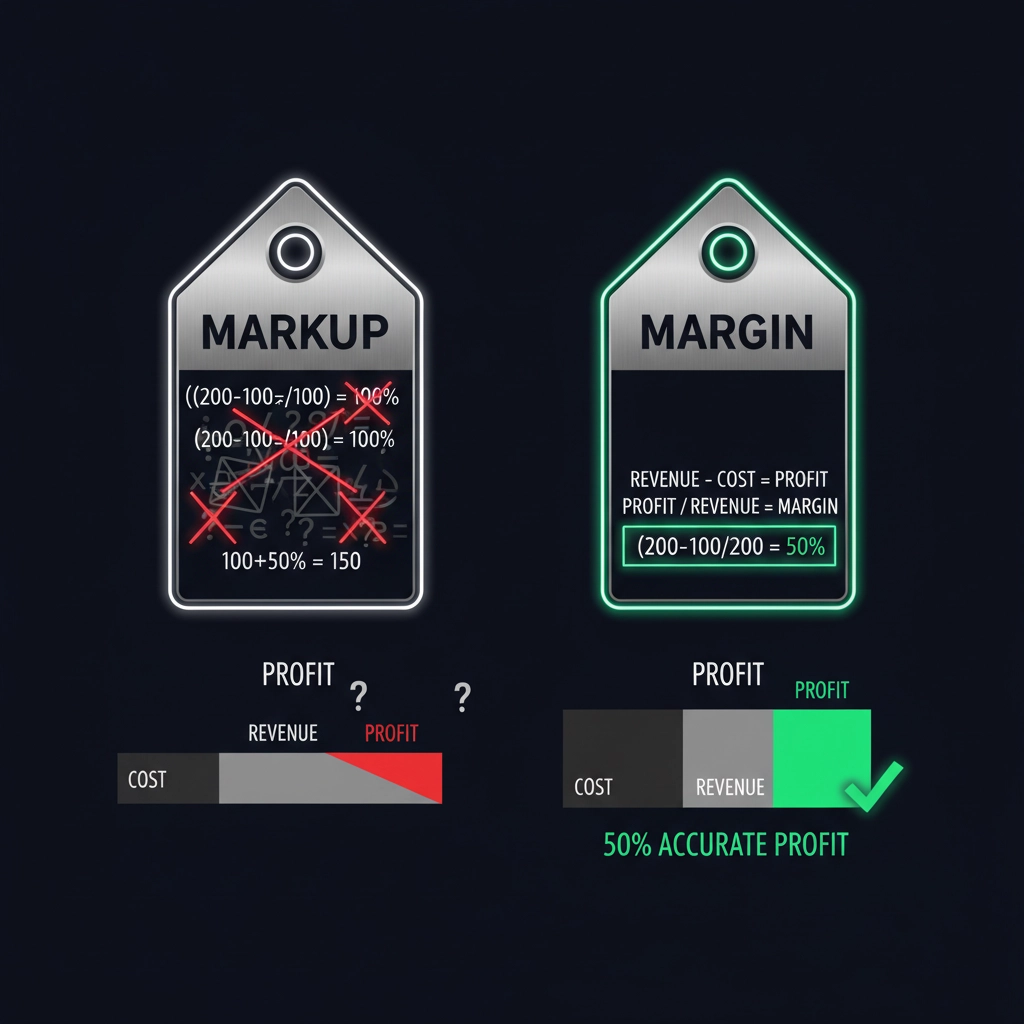
Here's a mathematical mistake that costs HVAC contractors thousands of dollars annually. Many contractors think they're making a 50% profit when they mark up materials by 50%, but they're actually only achieving a 33% margin.
If your material costs $100 and you mark it up 50% to $150, you think you've made 50% profit. But your actual margin is only 33% ($50 profit divided by $150 sale price). This pricing error compounds across every job and can seriously impact your profitability.
The Fix: Switch to margin-based pricing immediately. Print out a markup versus margin conversion chart and keep it handy when pricing jobs. Understand that margin calculates profit as a percentage of the final sale price, giving you a more accurate picture of your actual profitability. This shift in thinking will help you price more competitively while maintaining healthy profit margins.

Mistake #4: Inadequate Cash Reserves
Operating without sufficient cash reserves is like working on electrical systems without safety equipment: it's asking for trouble. Many contractors run lean, reinvesting every dollar back into the business without building proper financial cushions.
When unexpected expenses arise: equipment breaks down, a major customer doesn't pay on time, or economic conditions shift: these businesses find themselves scrambling for cash or turning to expensive credit options.
The Fix: Build and maintain a cash reserve fund equal to at least three to six months of operating expenses. Start by setting aside a small percentage of each job's profit until you reach this target. Keep these reserves in a separate, easily accessible account that you only touch for genuine emergencies or planned major purchases. Consider this fund as essential as your tools: you wouldn't work without them.
Mistake #5: Late Invoicing and Poor Payment Collection
Time is money, but many HVAC contractors treat invoicing as an afterthought. We've worked with contractors who wait weeks to send invoices after completing work, then wonder why their cash flow is tight.
Late invoicing creates a domino effect: delayed payments, stretched cash flow, and potential disputes over work details that everyone has forgotten. Some contractors also fail to follow up on overdue accounts, essentially giving customers interest-free loans.
The Fix: Implement a systematic invoicing schedule. Send invoices immediately upon job completion, or even better, use progress billing for larger projects. Set up automated reminders for overdue payments and don't hesitate to follow up promptly. Establish clear payment terms upfront and consider offering small discounts for early payment while charging fees for late payments.
Mistake #6: Not Paying Yourself Twice as the Owner
This concept confuses many contractors, but it's crucial for business success. As the owner, you should be compensated twice: once for the work you perform in the business and once as the owner of the business.
Many contractors only pay themselves for their labor, which creates problems when trying to scale the business or accurately price services. When you eventually hire employees to replace your work, your pricing structure needs to account for that expense.
The Fix: Include your fair market salary in your business expenses, just as if you were an employee. Then, take additional compensation as owner distributions or profits. This approach ensures your pricing remains profitable as you grow and helps you understand the true cost of your services. It also prepares your business for the transition from owner-operator to business owner.
Mistake #7: Miscalculating True Job Costs
Poor job cost calculation is perhaps the most insidious mistake because it often goes unnoticed until it's too late. Many contractors focus only on material and direct labor costs, forgetting about overhead, vehicle expenses, insurance, licensing fees, and other indirect costs.
We've seen profitable-looking jobs become money losers when all costs are properly allocated. Without accurate job costing, you might be underpricing your services and slowly bleeding money.
The Fix: Track every expense related to each job, including your proportional overhead costs. Compare your estimates to actual costs monthly and adjust your pricing accordingly. Include everything: materials, labor, vehicle costs, insurance, licensing, office expenses, and a reasonable profit margin. Build contingency allowances into your estimates for unexpected expenses and price fluctuations.

Taking Control of Your Financial Future
These seven mistakes might seem overwhelming, but remember that recognizing them is the first step toward building a more profitable business. We've helped hundreds of HVAC contractors transform their financial management, and the results speak for themselves: better cash flow, reduced stress, and sustainable growth.
The key is treating your business like the valuable asset it is. You've invested years developing your technical skills: now it's time to invest in financial management skills that will protect and grow your investment.
Small changes in your financial practices can yield significant results over time. Start with the mistakes that resonate most with your current situation, and gradually implement improvements across all areas. Remember, you're not just in the HVAC business: you're in the business of building long-term wealth and security for yourself and your family.
If you're feeling overwhelmed by these financial management challenges, consider partnering with professionals who understand the unique needs of contractors. Sometimes the best investment you can make is getting expert help to implement these systems correctly from the start.


Comments