

Remote Bookkeeping vs. In-House: The Ultimate Guide for HVAC and Electrical Contractors
- Kim S
- Oct 5, 2025
- 5 min read

As an HVAC or electrical contractor, you're a master at diagnosing complex systems, installing intricate wiring, and keeping customers comfortable year-round. But when it comes to managing your business finances? That's often a different story entirely.
The reality is that most contractors excel at their trade but struggle with the financial side of running a business. You're not alone if you've found yourself buried in receipts, confused by cash flow, or scrambling to get your books ready for tax season.
That's where the big question comes in: Should you hire someone in-house to handle your bookkeeping, or should you outsource to a remote bookkeeping service? We've helped dozens of HVAC and electrical contractors make this exact decision, and we're here to break down everything you need to know.
What Exactly Is Remote Bookkeeping?
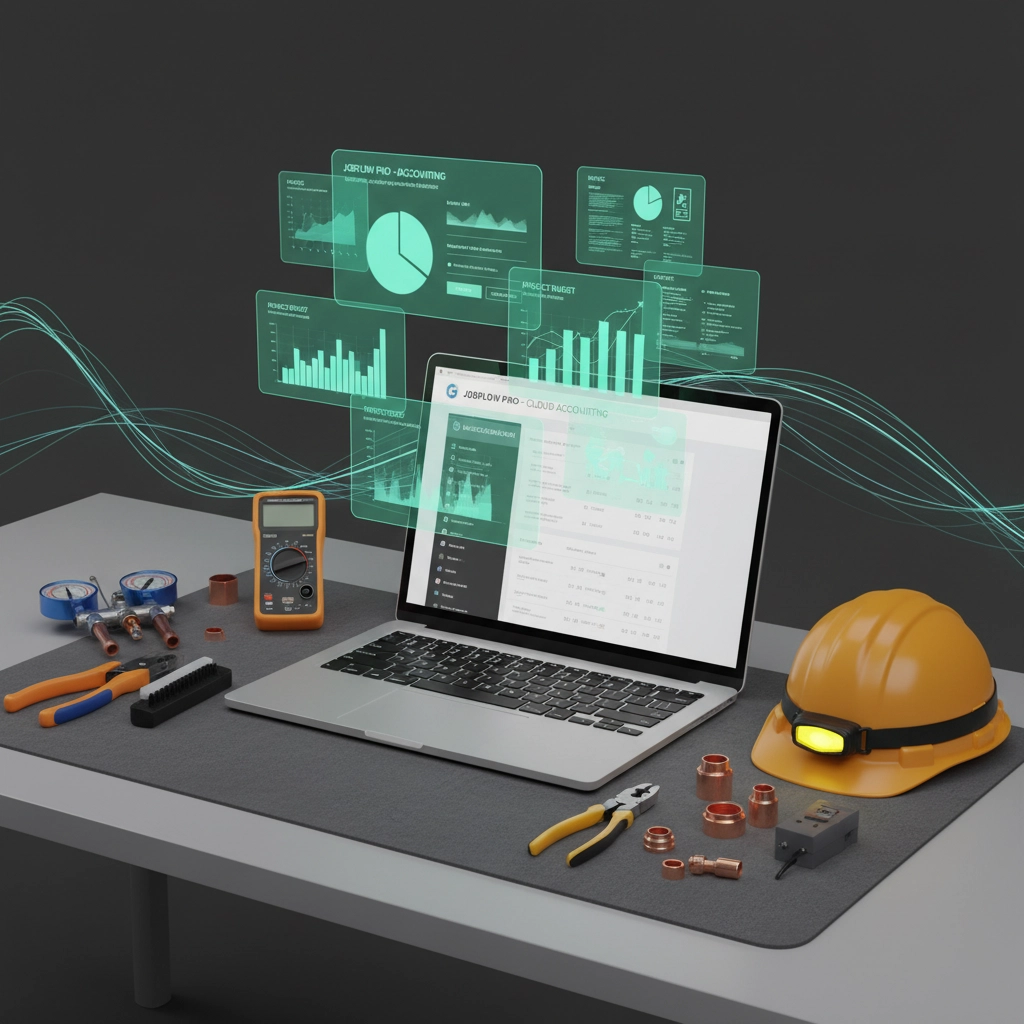
Remote bookkeeping means working with a professional bookkeeping service that operates outside your physical business location. These teams use cloud-based software to access your financial information and manage your books from their own offices.
Think of it like having a virtual financial department. Your remote bookkeeping team handles everything from categorizing expenses and reconciling accounts to generating financial reports and preparing for tax season – all without ever setting foot in your office.
What About In-House Bookkeeping?
In-house bookkeeping involves hiring a full-time or part-time employee to work directly at your business location. This person becomes part of your team, working regular hours in your office and handling your financial tasks alongside whatever other responsibilities you might assign them.
Many contractors go this route because it feels more traditional and gives them a sense of direct control over their financial operations.
The Remote Bookkeeping Advantage
Cost Effectiveness That Actually Makes Sense
Here's where remote bookkeeping really shines for most contractors. Professional remote bookkeeping services typically cost between $199 and $1,500 per month, depending on your transaction volume and complexity. Compare that to hiring someone in-house, where you're looking at salary plus payroll taxes, benefits, office space, equipment, and software – often totaling 2-3 times more than outsourcing.
Access to a Whole Team of Experts
When you work with a remote bookkeeping service, you're not just getting one person – you're getting access to an entire team of specialists. These professionals have worked with thousands of businesses across the trades industry, so they understand the unique challenges contractors face, from seasonal cash flow fluctuations to managing job costs and change orders.
Flexibility That Grows With Your Business
Your HVAC business might be slammed during summer months and slower in winter. Electrical work might surge during construction season. Remote bookkeeping services can easily scale their support up or down based on your seasonal needs, without you having to hire or lay off employees.
Built-in Backup and Continuity
What happens when your in-house bookkeeper calls in sick, takes vacation, or decides to find another job? With remote bookkeeping, there's always backup support. If your primary bookkeeper is unavailable, another team member can step in seamlessly.
The Remote Bookkeeping Challenges
Less Day-to-Day Business Context
Remote bookkeepers won't be sitting in your office hearing customer calls, observing your daily operations, or understanding the nuances of your specific service areas. They work with the information you provide, but they won't have that intuitive understanding that comes from being embedded in your business.
Communication Requires Planning
Need an immediate answer about your cash position before bidding a big job? With remote bookkeeping, you might need to schedule a call or wait for an email response. The communication is professional and thorough, but it's not as instant as walking over to someone's desk.
The In-House Bookkeeping Benefits
Real-Time Access and Understanding
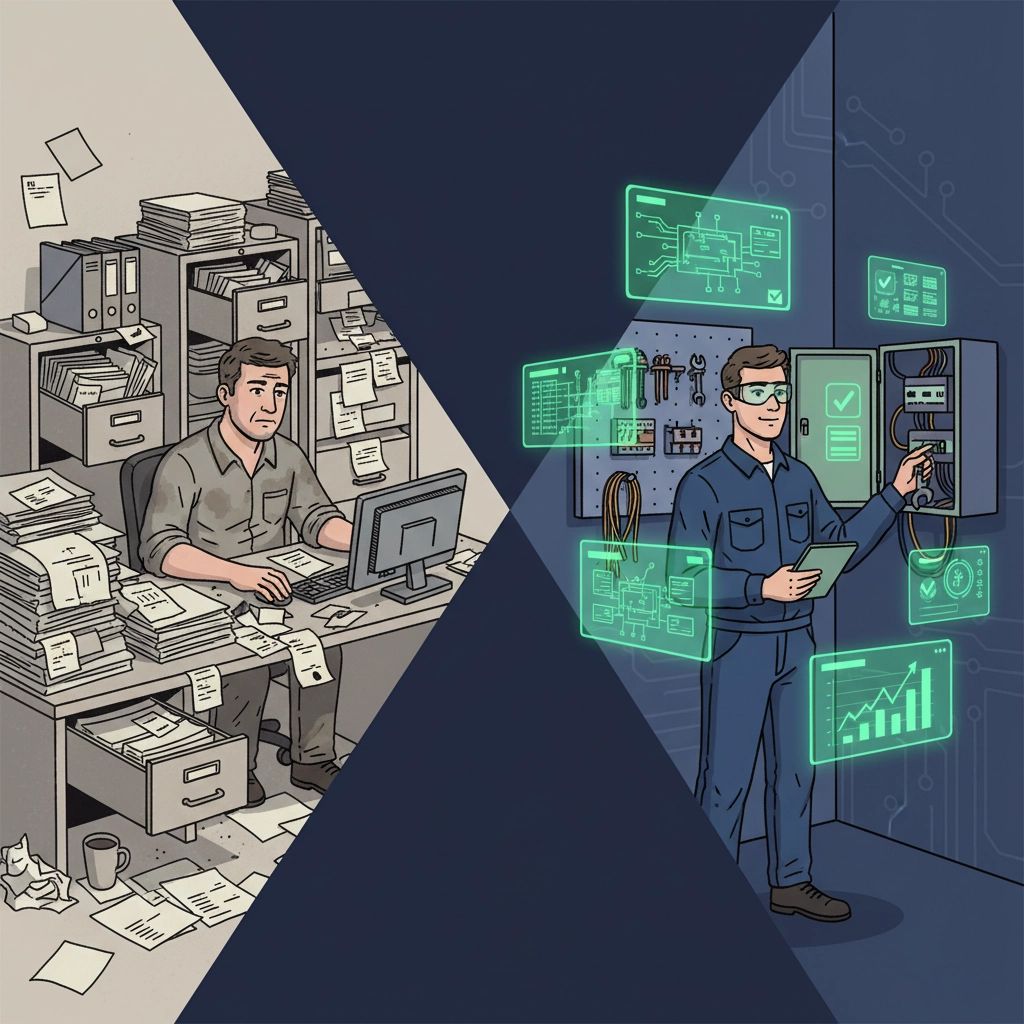
Having someone physically present means immediate access to financial information and instant communication. Your in-house bookkeeper develops deep knowledge of your business patterns, understanding when HVAC demand peaks, how electrical projects typically flow, and what seasonal challenges affect your cash flow.
Multi-Tasking Capabilities
Many contractors have their in-house bookkeeper wear multiple hats – answering phones, scheduling appointments, handling basic administrative tasks, or even helping with customer service. This can maximize the value of their salary if you have enough varied work to keep them busy.
Direct Control and Oversight
With an in-house employee, you have direct control over processes, immediate oversight of their work, and can make real-time adjustments to how things are handled.
The In-House Bookkeeping Drawbacks
The True Cost Goes Way Beyond Salary
That $40,000 annual salary quickly becomes $60,000+ when you add payroll taxes, health insurance, workers' compensation, office space, computer equipment, software licenses, and other benefits. Suddenly, your "affordable" in-house solution costs significantly more than professional remote services.
The Retention Challenge
Bookkeeping and administrative positions have notoriously high turnover rates. When your bookkeeper leaves, you're back to square one – posting job ads, interviewing candidates, training someone new, and hoping they stick around long enough to become productive.
Limited Expertise and Growth
Your in-house bookkeeper is limited by their individual knowledge and experience. They might be great at basic data entry but struggle with more complex financial analysis, tax planning, or industry-specific reporting that your business needs as it grows.

The Real Cost Comparison
Let's break down the actual numbers for a typical HVAC or electrical contractor:
Remote Bookkeeping Annual Cost:
Monthly service fee: $400-800
Total annual cost: $4,800-9,600
In-House Bookkeeping Annual Cost:
Salary: $35,000-45,000
Payroll taxes and benefits: $8,000-12,000
Office space and equipment: $3,000-5,000
Software licenses: $1,500-3,000
Total annual cost: $47,500-65,000
The difference is substantial – remote bookkeeping typically costs 70-80% less than hiring someone in-house.
Which Option Is Right for Your Contracting Business?
Choose Remote Bookkeeping If:
Your annual revenue is under $5 million
You process fewer than 500 transactions monthly
You want to focus on your trade rather than managing employees
Cost efficiency is a priority
You're comfortable with scheduled communication for financial questions
You want access to specialized expertise without the full-time cost
Consider In-House Bookkeeping If:
Your annual revenue exceeds $5 million consistently
You need immediate, real-time access to financial information throughout the day
You have enough administrative work to keep someone busy full-time
You prefer direct oversight and control of all business functions
You're willing to invest significantly more for the convenience of having someone on-site
Special Considerations for HVAC and Electrical Contractors
Your industry has unique challenges that effective bookkeeping must address. HVAC work is highly seasonal, with cash flow extremes between peak and slow seasons. Electrical projects often involve complex job costing, change orders, and progress billing that requires careful tracking.
Both trades deal with inventory management, equipment depreciation, and the challenge of collecting payments from customers who might delay payment after work is completed. Your bookkeeping solution needs to handle accounts receivable management, cash flow forecasting, and job profitability analysis.
Most successful contractors we work with find that remote bookkeeping provides the specialized expertise needed to handle these industry-specific challenges, while keeping costs manageable and allowing them to focus on what they do best.
Our Recommendation
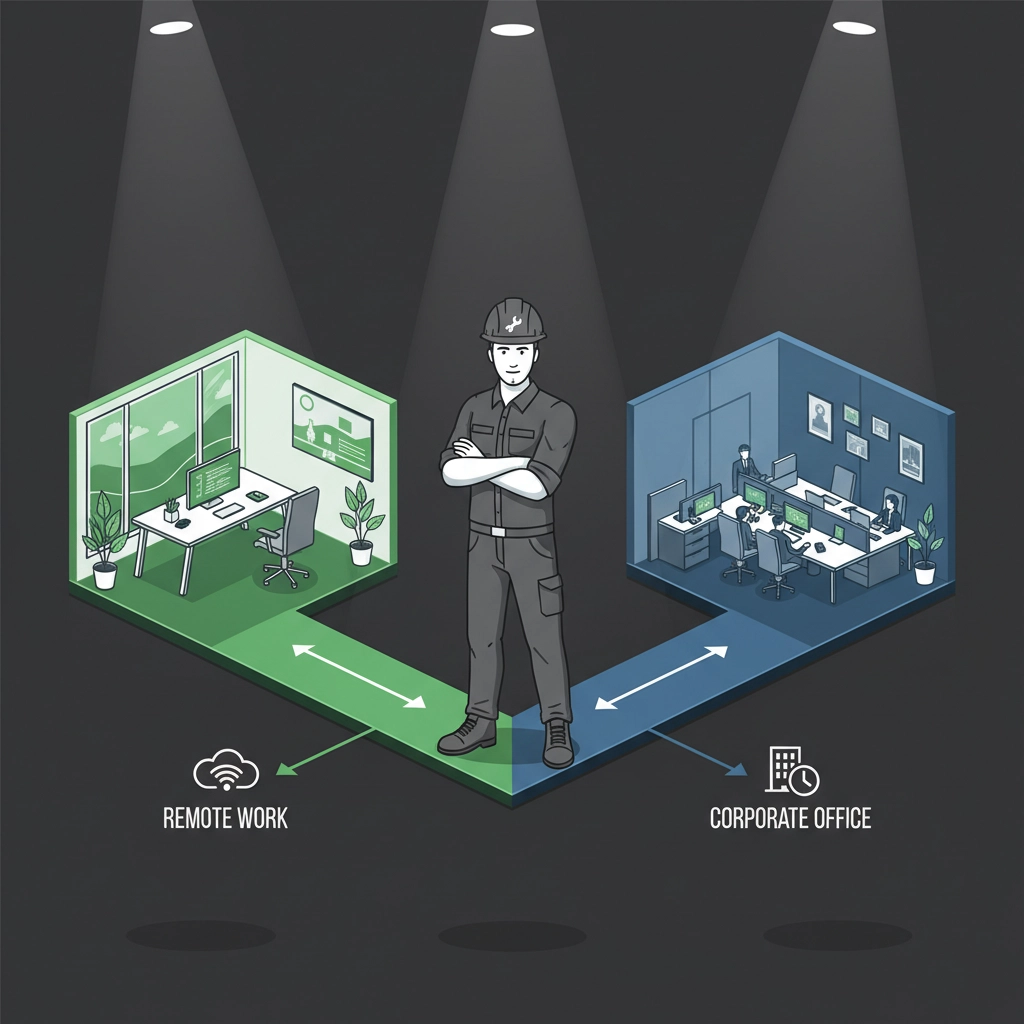
For the vast majority of HVAC and electrical contractors, remote bookkeeping offers the best combination of expertise, cost-effectiveness, and flexibility. You get professional-grade financial management without the overhead and hassles of managing employees.
Start with a remote bookkeeping service, and if your business grows to the point where you need full-time, on-site financial support, you can always transition to in-house staff later. But many contractors find that even as they grow, the benefits of remote bookkeeping continue to outweigh the alternatives.
The key is choosing a bookkeeping service that understands contractors and has experience with the unique challenges of your industry. Look for teams that can handle job costing, progress billing, seasonal cash flow management, and the complex financial reporting that helps you make better business decisions.
Ready to explore how remote bookkeeping might work for your contracting business? Let's talk about your specific situation and see how we can help streamline your financial operations while you focus on growing your business.
Comments